
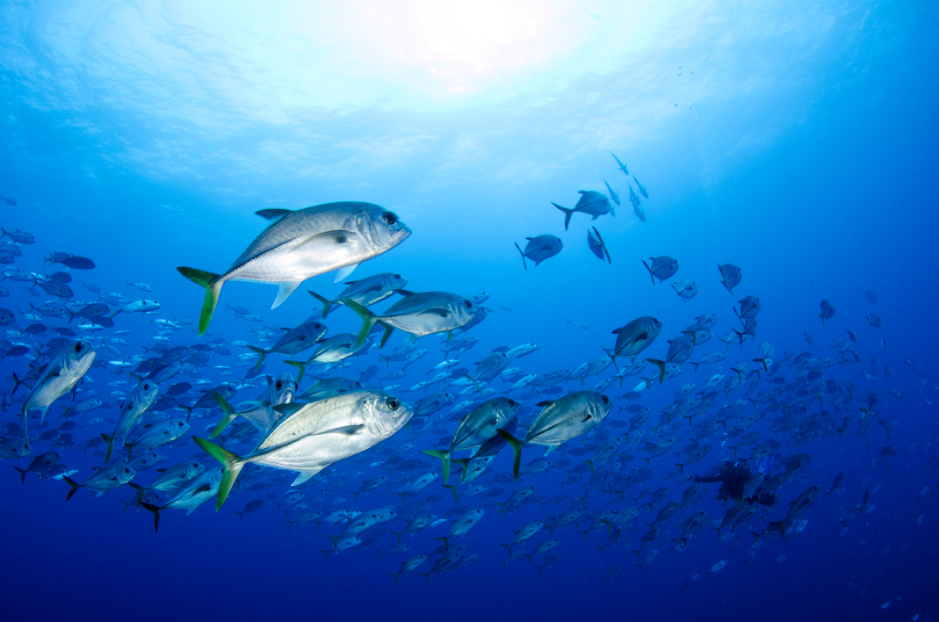
SEAMPHONI will refine and test eDNA as a scalable, non-invasive tool for monitoring biodiversity in offshore and remote Marine Protected Areas. The project will compare two approaches: manual water sampling during expeditions and long-term automated samplers deployed at sea for a year. Additional samples from global ocean expeditions (OOE 1 & 2) will provide broader biodiversity data and context. After collection, all samples will be processed and sequenced at SGN using advanced long-read technology, and the resulting data will feed into the Intelligent Marine Digital Twin. This work will help create a standardised eDNA protocol that can be applied worldwide for offshore habitat mapping and MPA designation.
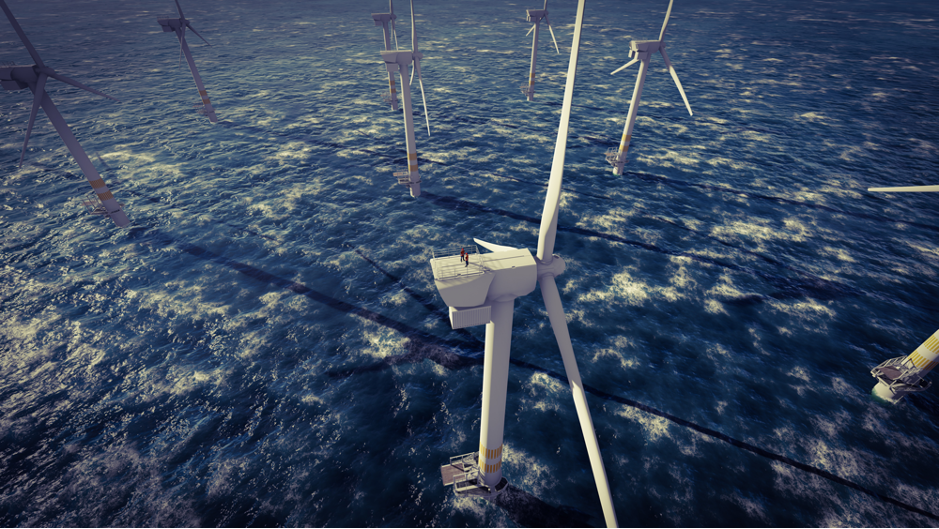
SEAMPHONI will develop a unified, state-of-the-art protocol for passive acoustic monitoring (PAM) in offshore marine areas. The project will test a new fibre-optic cable sensor by comparing it with traditional hydrophones and optimising its ability to detect sounds such as ships and marine mammals. Using cost-effective and reliable acoustic sensors, SEAMPHONI will also create a standard method for measuring underwater noise from ships and offshore wind farms. Across all sites, partners will deploy the same acoustic equipment to collect comparable data. Building on previous projects (SATURN, JONAS), advanced data-science and AI techniques will be used to detect biological and human-made sounds, contributing to an ‘Acoustic Atlas’ of three offshore areas. This Atlas, integrated with tools like Quonops© and OceanPlanner©, will help authorities understand noise levels, evaluate shipping scenarios, and support better management of MPAs.
SEAMPHONI will also test noise-reduction measures, such as restricting boat routes or speeds, working with local authorities—starting in Madeira. These tests will improve models for predicting and mitigating noise pollution. The project will additionally monitor the acoustic impact of offshore wind farms by installing sensors on a turbine, allowing the team to understand how turbine vibrations translate into underwater noise. All insights will feed into better conservation planning, policy support, and early-warning systems for noise pollution.
SEAMPHONI will build on the TWILIGHTED project, which is strengthening deep-sea research in Portugal by improving ARDITI’s capabilities through partnerships with GEOMAR and NTNU. TWILIGHTED focuses on the Mesophotic and Twilight zones and is developing low-cost tools for deep sea exploration. SEAMPHONI will expand these tools to offshore areas and seamounts, making high-quality marine data collection more accessible. It will also use existing user friendly technologies from GEOMAR such as small landers, drifting cameras, and towed video systems, to monitor deep-sea biodiversity. After retrieval, samples and images will be analysed with AI-based software to automatically identify species. SEAMPHONI will test and compare these low-cost methods with traditional ship-based approaches across several case study areas, including a major GEOMAR led expedition in Madeira. This combined approach will generate robust, standardised data to support predictive models and conservation planning.